


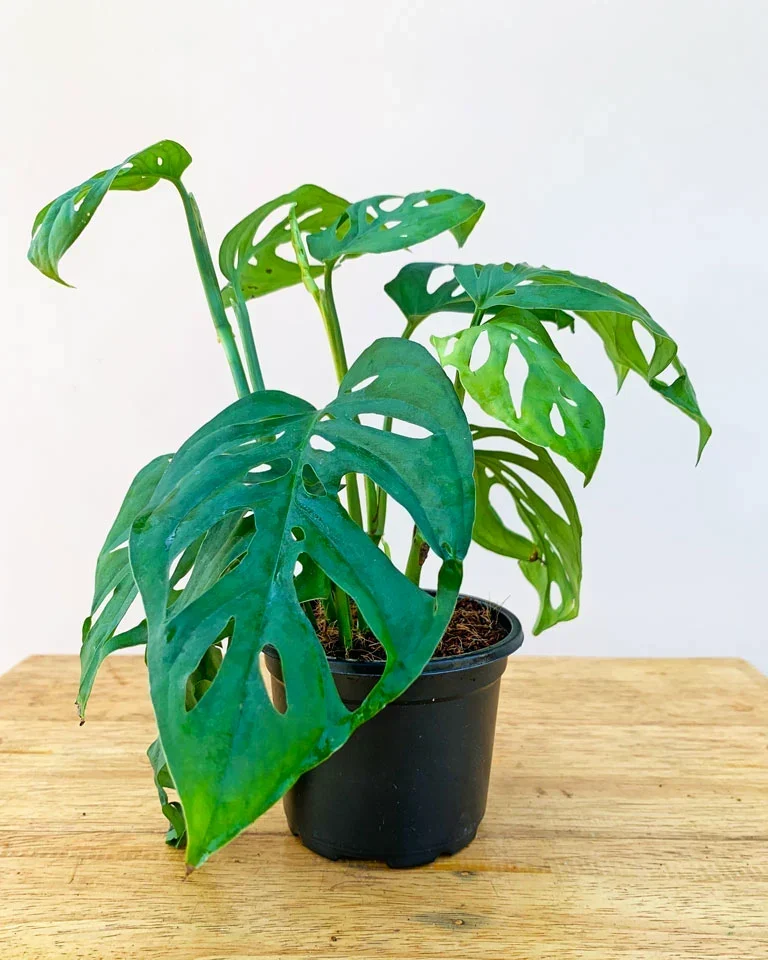



The “Philodendron Broken Heart” is a common name given to the plant Monstera adansonii. While it’s often referred to as a “Philodendron Broken Heart,” it’s actually a species of Monstera, not a true Philodendron, though both belong to the Araceae family.
Appearance:
-
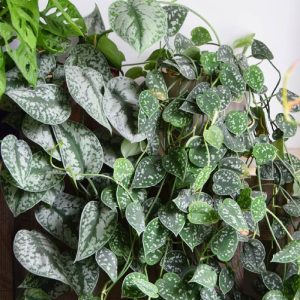
Leaves: Philodendron Broken Heart most distinctive feature is its heart-shaped or oblong leaves with prominent, natural holes (fenestrations) that develop as the leaves mature. These perforations give it the “Swiss cheese plant” or “five-holed plant” nickname. The leaves are typically a deep green, often with a somewhat leathery texture.
- Growth Habit: Philodendron Broken Heart’s a vining or climbing plant. In its natural habitat, it climbs trees, but as a houseplant, it can be grown in hanging baskets where its vines will trail, or it can be trained to climb a moss pole or trellis for vertical growth.
- Size: Indoors, its vines can grow quite long, but the overall plant remains relatively compact compared to its larger cousin, Monstera deliciosa. The leaves themselves are typically smaller than those of Monstera deliciosa.
Native Habitat:
- Philodendron Broken Heart is native to the tropical forests of Central and South America, where it thrives in the humid understory, often climbing up larger trees to reach dappled sunlight.
Ease of Care:
- The Monstera adansonii is generally considered low-maintenance and easy to care for, making it a popular choice for both beginner and experienced plant enthusiasts.
Symbolism and Benefits:
- Emotional Healing & Resilience: Many plant lovers find comfort in this plant, as its perforated leaves can symbolize overcoming challenges and embracing new beginnings.
- Air Purification: Like many indoor plants, Philodendron Broken Heart helps filter common indoor toxins from the air, such as formaldehyde and benzene, contributing to better indoor air quality.
- Humidity Boost: Through transpiration, it can help increase humidity in its surroundings, which is beneficial in dry environments.
- Aesthetic Appeal: Its unique foliage and trailing/climbing habit add a tropical and modern touch to any space.
Key Care Requirements (similar to many other aroids):
- Light: Prefers bright, indirect light. Direct sun, especially harsh afternoon sun, can scorch its delicate leaves. It can tolerate lower light, but growth may be slower, and fenestrations might be less pronounced.
- Watering: Water when the top 1-2 inches of soil feel dry to the touch. It likes consistently moist soil but is highly susceptible to root rot if overwatered. Ensure the pot has good drainage.
- Humidity: Thrives in high humidity (60-80%). In drier indoor environments, regular misting, a pebble tray, or a humidifier can be beneficial.
- Soil: Requires a well-draining, airy potting mix rich in organic matter. A mix with perlite, orchid bark, and peat moss or coco coir works well.
- Temperature: Prefers warm temperatures between 18-27°C (65-80°F). Protect it from cold drafts.
- Fertilization: Feed with a balanced liquid fertilizer every 2-4 weeks during the active growing season (spring and summer). Reduce or stop feeding in fall and winter.
- Pruning: Can be pruned to maintain shape, control size, and encourage bushier growth. Remove any yellow or damaged leaves.
- Propagation: Easily propagated from stem cuttings in water or soil.
Toxicity:
- Like many plants in the Araceae family, Monstera adansonii contains calcium oxalate crystals, which are toxic if ingested by humans or pets, causing irritation to the mouth, throat, and digestive system. Keep it out of reach of children and pets.#
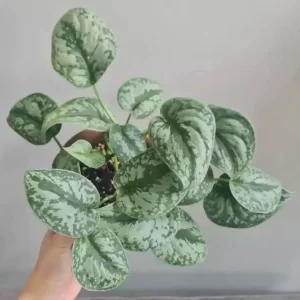
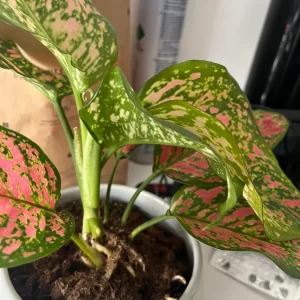
 Philodendron Broken Heart.






There are no reviews yet.